Edmonton, Alberta · Serving People Since 2006
Safe Homes. Individual Support. Stronger Connections
HF Resources provides 24/7 residential and community-living supports for children, youth, sibling groups, and young adults with autism, developmental disabilities, complex support needs, and behavioural challenges.
Our Belief
Children are sacred gifts from the Creator.
We uphold their right to grow up safe and connected to family, community, culture, and land.
24/7/365
Residential Operations
24/7/365
Residential Operations
Ages 0–17
Child and Youth Group Living
Ages 0–17
Child and Youth Group Living
Ages 16–24
Post-Majority Supported Living
Since 2006
Serving Edmonton-Area Communities
Ages 16–24
Post-Majority Supported Living
Since 2006
Serving Edmonton-Area Communities
Services
Three Residential Pathways, Each with a Distinct Purpose.
HF matches support to the individual rather than offering one standard placement. Program fit depends on mandate, age, support needs, safety, compatibility, funding, staffing, approvals, and current capacity.
01
Child and Youth Group Living · Ages 0–17
Autism, Developmental Disability & Complex Supports
For children and youth who require a structured residential setting, consistent routines, individualized skill development, communication support, and staffing matched to an approved service plan.
Core Supports
Predictable routines, visual supports, and communication-first practice
Positive Behaviour Support and implementation of approved behaviour strategies
ABA-informed teaching within HF’s residential scope and staff qualifications
Daily living, education, health routines, recreation, and community participation
Enhanced or one-to-one staffing when authorized and funded
Regular progress review with the person’s family and service team
Placement Goals May Include
Safety and stability
Communication and self-regulation
Practical daily-living skills
Meaningful community participation
02
Children, youth, and sibling groups · Ages 0–17
Sibling Preservation & Reunification
For siblings who may benefit from living together in a stable, family-based home while individual needs, sibling relationships, family connections, and permanency goals are supported.
Core Supports
Shared placement for sibling groups when safe and appropriate
Individual goals alongside sibling and family-centred planning
Support for healthy relationships, routines, identity, and belonging
Coordination with families, case teams, schools, and community services
Support for family contact and reunification work authorized by the case team
Culturally responsive planning based on each child’s identity and connections
Placement Goals May Include
Sibling connection
Stable daily routines
Family and cultural continuity
Progress toward permanency goals
03
Indigenous young men · Ages 16–24
Post-Majority Supported Living
For young men transitioning from Child and Family Services who need continued residential structure, relationship-based support, cultural connection, and practical preparation for adult life.
Core Supports
Individual transition-to-adulthood and independent-living goals
Budgeting, meal preparation, household routines, and tenancy skills
Education, employment readiness, appointments, and transportation planning
Navigation of adult, disability, health, and community services
Voluntary connection with family, Nation, culture, and community
Step-down planning based on readiness, approved supports, and long-term goals
Placement Goals May Include
Greater independence
Adult-system navigation
Stable community living
Culture, identity, and belonging
02
Children, youth, and sibling groups · Ages 0–17
Sibling Preservation & Reunification
For young men transitioning from Child and Family Services who need continued residential structure, relationship-based support, cultural connection, and practical preparation for adult life.
Core Supports
Shared placement for sibling groups when safe and appropriate
Individual goals alongside sibling and family-centred planning
Support for healthy relationships, routines, identity, and belonging
Coordination with families, case teams, schools, and community services
Support for family contact and reunification work authorized by the case team
Culturally responsive planning based on each child’s identity and connections
Placement Goals May Include
Sibling connection
Stable daily routines
Family and cultural continuity
Progress toward permanency goals
03
Indigenous young men · Ages 16–24
Post-Majority Supported Living
For children and youth who require a structured residential setting, consistent routines, individualized skill development, communication support, and staffing matched to an approved service plan.
Core Supports
Individual transition-to-adulthood and independent-living goals
Budgeting, meal preparation, household routines, and tenancy skills
Education, employment readiness, appointments, and transportation planning
Navigation of adult, disability, health, and community services
Voluntary connection with family, Nation, culture, and community
Step-down planning based on readiness, approved supports, and long-term goals
Placement Goals May Include
Greater independence
Adult-system navigation
Stable community living
Culture, identity, and belonging
Considering a Placement?
Start with a Short Service-Fit Conversation.
Family & Community Connection
Transportation & Supervised Family Visits.
HF is developing additional services to support planned journeys and meaningful family time. Explore the proposed services and contact Intake to discuss your needs and confirm their current status.
Service in Development
Transportation & Community Access
Planned drives and accompaniment for family visits, appointments, learning, community activities and placement transitions, with support matched to the individual.
Service in Development
Family Connection & Supervised Visits
Planned drives and accompaniment for family visits, appointments, learning, community activities and placement transitions, with support matched to the individual.
What Every Placement Includes
Daily Support That Extends Beyond the Home.
The exact level and combination of support is defined by the authorized placement plan. These elements describe HF’s shared residential foundation across programs.
01
24/7 Residential Support
Trained staff provide continuous supervision, guidance, and responsive support in community-based homes operating every day of the year.
02
Individualized Planning
Each placement is guided by authorized goals, support needs, risks, strengths, communication preferences, and the person’s broader service plan.
03
Health and Daily Routines
Staff support meals, sleep, hygiene, appointments, medication routines within authorization, physical activity, and a predictable home environment.
04
Education and Employment
HF coordinates with schools, training programs, employers, and case teams to support attendance, participation, readiness, and achievable goals.
05
Family and Team Collaboration
Planning is coordinated with guardians, families, Nations, caseworkers, funders, clinicians, educators, and other authorized partners as applicable.
06
Community and Life Skills
People are supported to build practical skills, relationships, confidence, recreation interests, and safe participation in their community.
07
Cultural and Identity Support
Cultural opportunities are voluntary and guided by identity, preference, consent, cultural planning, community protocols, and available connections.
08
Progress Monitoring
HF documents service delivery, reviews progress, and uses measurable goals—including Goal Attainment Scaling where appropriate—to inform team decisions.
How Support Is Delivered
A Practical Care Model Built on Safety, Relationship, Skill, and Accountability.
HF’s team translates each authorized plan into consistent daily practice. The person’s strengths, communication, identity, goals, and lived experience remain central.
01 · Relationship
Trauma-Informed, Relationship-Based Care
Staff focus on felt safety, consistency, trust, co-regulation, strengths, and respectful relationships. Behaviour is understood in context rather than treated as a label.
02 · Behaviour
Positive Behaviour Support
Teams work to understand patterns, reduce preventable triggers, teach safer replacement skills, reinforce progress, and implement authorized support strategies consistently.
03 · Learning
ABA-Informed Skill Development
HF may use practical ABA-informed teaching strategies within approved residential plans. HF does not independently diagnose, prescribe, or complete formal Functional Behaviour Assessments.
04 · Progress
Goal Attainment Scaling
Individual goals are translated into observable levels of progress so the person and team can see what is changing, review what is working, and adjust support responsibly.
05 · Partnership
Coordinated Service Delivery
HF’s residential team implements its part of the plan and coordinates with qualified external clinicians when regulated assessment or treatment is required and authorized.
Culture, Identity & Belonging
Cultural Connection Is Supported Through Choice—Not Assumption.
HF offers voluntary opportunities for cultural teachings, smudging, ceremony, land-based activities, and connection with family, Nation, Elders, Knowledge Keepers, and community resources. Participation is guided by the person’s identity, preferences, consent, cultural plan, community protocols, and available relationships.
First Nations, Métis, and Inuit cultures are distinct. HF does not treat one teaching, ceremony, or practice as universal.
Monthly teachings are prepared by the Cultural Teacher and supported in each home by House Leads. Stories, practical activities and reflection bring cultural learning into everyday relationships and routines.
Seven Sacred Teachings
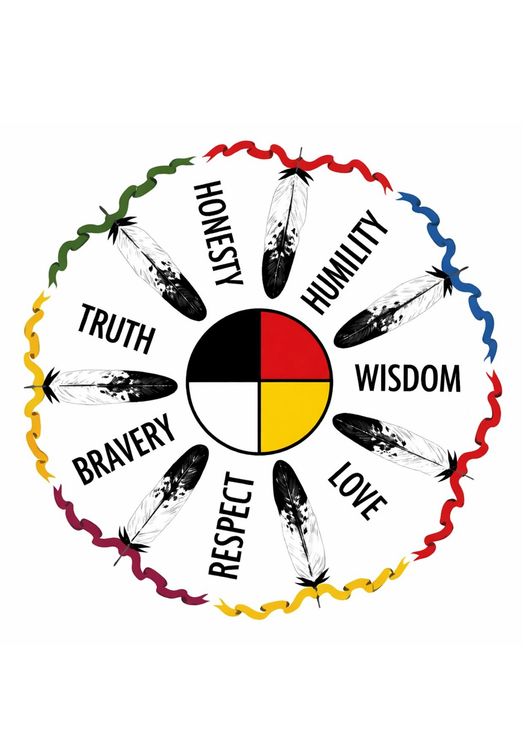
The teachings may inform relationship and reflection when appropriate to the person’s cultural plan and community guidance.
About HF Resources
Community-Based Residential Care with Two Decades of Experience.
HF Resources began serving children and families in Edmonton in 2006. The organization’s foundation is family-based, non-institutional care: safe homes, dependable adults, practical routines, and support that recognizes the whole person.
HF’s work began with sibling-group preservation and reunification and has expanded to include specialized child and youth supports for autism, developmental disabilities, and complex behavioural needs, along with post-majority supported living for Indigenous young men.
HF addresses physical, social, educational, medical, relational, behavioural, cultural, and identity needs within the scope of each approved placement. The organization works in partnership with the person served, family, guardian, Nation, case team, funder, school, and external professionals as applicable
2006
HF begins serving children and families in Edmonton
2006
Three residential pathways support children, sibling groups, youth, and young adults.
Today
Three residential pathways support children, sibling groups, youth, and young adults.
Today
Three residential pathways support children, sibling groups, youth, and young adults.
Our Purpose
Safety, Dignity, Growth, Connection, and Belonging.
HF aims to provide reliable homes where people are known as individuals, supported to build skills, and connected to the relationships and communities that matter to them.
Accountability
Clear Scope. Approved Capacity. Documented Practice.
HF operates within applicable Alberta licensing requirements, service agreements, staffing approvals, privacy obligations, and authorized program capacity. HF’s accreditation record includes Canadian Accreditation Council accreditation in 2023.
The People Behind the Service
Leadership, Residential Staff, and Community Partners Work as One Team.
Staffing is matched to the approved program and person served. Additional one-to-one or specialized support is provided only where authorized, funded, and available.
01
Executive Director
Organizational leadership, governance, contracts, and service accountability.
02
House Programs Manager
Program operations, placement coordination, staffing, and quality follow-up.
02
House Programs Manager
Program operations, placement coordination, staffing, and quality follow-up.
03
Positive Behaviour Support Manager
Support-plan implementation, staff coaching, documentation, and behavioural quality assurance within HF’s scope.
03
Positive Behaviour Support Manager
Support-plan implementation, staff coaching, documentation, and behavioural quality assurance within HF’s scope.
04
House Leads & Front-Line Staff
Daily residential care, routines, skill development, documentation, and direct relationship-based support.
04
House Leads & Front-Line Staff
Daily residential care, routines, skill development, documentation, and direct relationship-based support.
05
Cultural & Community Partners
Connection with Elders, Knowledge Keepers, Cultural Connectors, Nations, families, and community resources when requested and available.
05
Cultural & Community Partners
Connection with Elders, Knowledge Keepers, Cultural Connectors, Nations, families, and community resources when requested and available.
03
Positive Behaviour Support Manager
Support-plan implementation, staff coaching, documentation, and behavioural quality assurance within HF’s scope.
04
House Leads & Front-Line Staff
Daily residential care, routines, skill development, documentation, and direct relationship-based support.
05
Family and Team Collaboration
Planning is coordinated with guardians, families, Nations, caseworkers, funders, clinicians, educators, and other authorized partners as applicable.
06
Community and Life Skills
People are supported to build practical skills, relationships, confidence, recreation interests, and safe participation in their community.
05
Cultural & Community Partners
Connection with Elders, Knowledge Keepers, Cultural Connectors, Nations, families, and community resources when requested and available.
08
Progress Monitoring
HF documents service delivery, reviews progress, and uses measurable goals—including Goal Attainment Scaling where appropriate—to inform team decisions.
Who May Refer
Alberta Children and Family Services
Delegated First Nations Agencies
Indigenous governing bodies and Nations
Post-Majority Support Services
PDD and community disability services, where applicable
Other authorized funders or service partners
Potential Eligibility
Child and Youth Group Living: ages 0–17
Post-Majority Supported Living: ages 16–24
Applicable statuses may include PGO, TGO, custody, Enhancement Agreements, EAY, or TAP
Placement must fall within HF’s licence, contract, program, staffing, and approved capacity
Referral Process
1
Start with an Inquiry
An authorized referral source contacts HF to ask about program fit and current capacity. Share only the minimum information needed for the initial conversation.
2
Review Service Compatibility
HF reviews the referral information against age, program mandate, staffing, safety, compatibility, funding, licensing, and available capacity. This is a service-fit review—not a clinical assessment.
3
Plan Securely with the Team
If the referral may be a fit, HF coordinates a planning discussion and provides secure instructions for any protected records required for transition planning.
4
Confirm Transition and Placement
Placement proceeds only after required approvals, funding, staffing, consents, risk planning, compatibility review, and a coordinated transition plan are in place.
Referrals & Availability
Let’s Determine Whether HF Is the Right Service Fit.
HF accepts inquiries from authorized service and funding partners. A referral inquiry does not guarantee admission; placement depends on mandate, compatibility, required approvals, secure information review, staffing, funding, and available capacity.
Start Here
Contact HF Resources
Contact Intake for program questions, current availability, or an initial referral discussion. For support outside office hours, call After Hours On Call.
Intake
587-590-4916
After Hours On Call
780-660-0479
Head Office
780-758-4389
Executive Director
780-940-5707
Fax
780-752-6146
Email
info@hfresources.ca
Office Address
12706–101 Street NW Edmonton, AB T5E 4E5
Do not email confidential records.
Contact HF first for secure document-submission instructions.
The website and general email are not monitored continuously. Call 911 if someone is in immediate danger or requires emergency assistance.
Land, Community & Connection
Land Acknowledgement
HF Resources acknowledges that our homes and services in Edmonton are located on Treaty 6 Territory and within the Métis homeland. We honour the First Nations whose longstanding relationships with these lands continue today, and the First Nations, Métis, and Inuit people who call Edmonton home.
We recognize the enduring connections between land, culture, language, family, and belonging. In our work with children, youth, young adults, and families, we commit to listening, learning, building respectful relationships, and supporting cultural identity and connection in everyday care.